
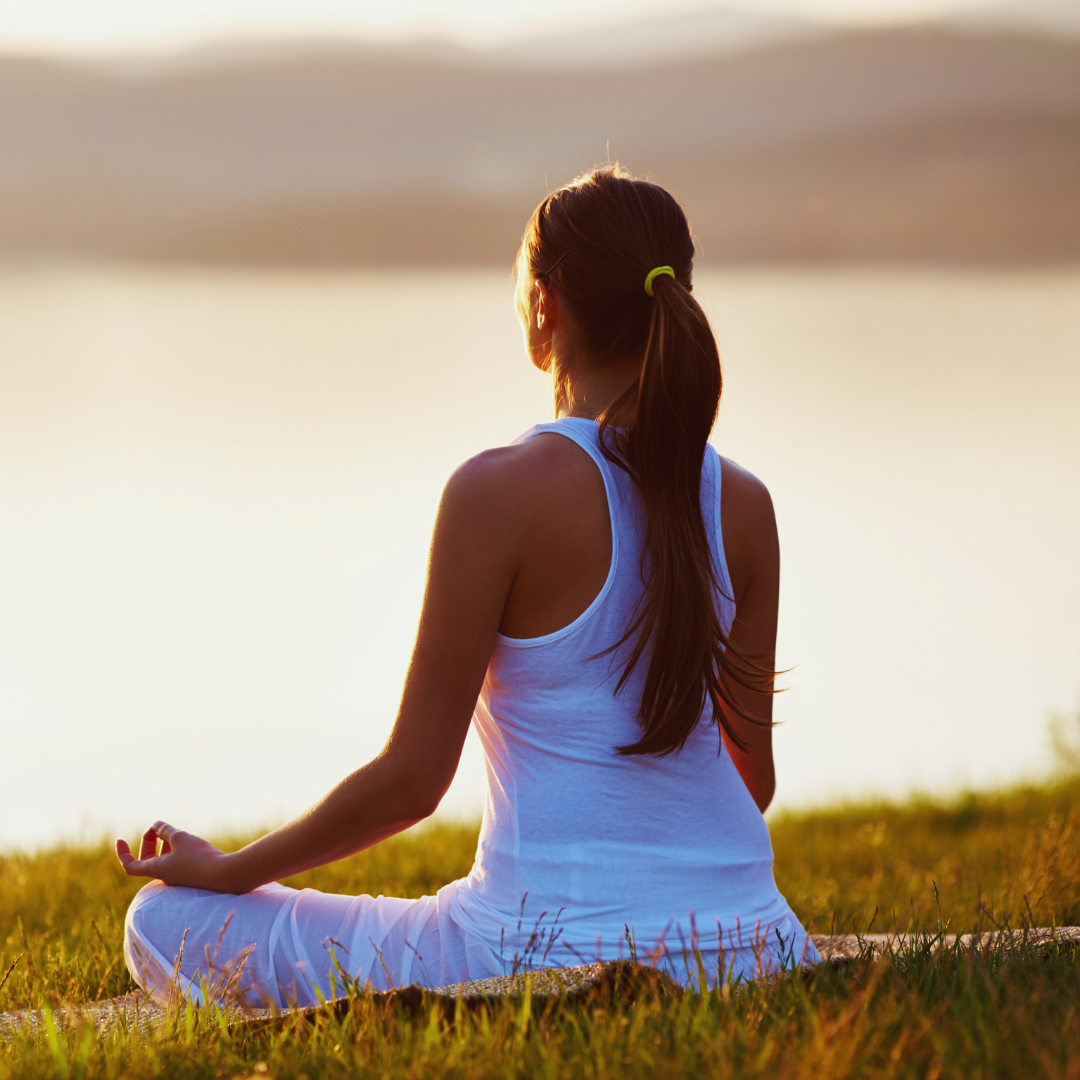
Meditation has emerged as a powerful tool for enhancing well-being, appealing to individuals seeking both mental and physical health benefits. Research indicates that regular meditation practice can lead to reduced stress, improved concentration, and a greater sense of calm. These effects contribute to a more balanced lifestyle and support overall health.
Many individuals report improvements in their mental health as a result of meditation. It not only helps manage anxiety and depression but also enhances self-awareness and emotional resilience. Physical health can benefit as well, with evidence suggesting that meditation may help lower blood pressure and improve sleep quality.
Incorporating meditation into daily routines can serve as a cornerstone for a healthier, more centred life. By fostering mindfulness and promoting relaxation, it plays a vital role in achieving holistic well-being.
Exploring the Fundamentals of Meditation
Meditation encompasses various techniques and practices aimed at enhancing wellbeing. Understanding its core principles and methods can empower individuals to select an appropriate style that aligns with personal needs.
What Is Meditation?
Meditation is a mental practice that focuses on promoting relaxation, enhancing concentration, and fostering emotional health. It often involves techniques that encourage attention and awareness, allowing individuals to achieve a heightened state of consciousness. While meditation can be secular or spiritual in nature, its primary goal is to cultivate inner peace and mindfulness. Various traditions incorporate meditation as a tool for personal growth or religious practice, showcasing its versatility across cultures.
Different Types of Meditation
Several forms of meditation exist, catering to diverse preferences and goals. Mindfulness meditation encourages awareness of the present moment, often practised through breath observation. Transcendental meditation employs a mantra to facilitate deep relaxation and concentration. Another popular form is loving-kindness meditation, where practitioners focus on cultivating feelings of compassion towards themselves and others. Other techniques include walking meditation, which integrates movement into the meditative experience, as well as qigong and tai chi, blending physical movement with mindful awareness.
Meditation Techniques and Practices
Practitioners can adopt various techniques to suit their needs. Focused attention is a technique where one concentrates on a single point of reference, like the breath or a sound, to quiet the mind. Daily practice is crucial; even short sessions can yield significant benefits over time. Engaging in guided meditations, available through apps and online resources, can aid newcomers in building a consistent habit. Additionally, incorporating movement, such as walking meditation or tai chi, enhances the meditative experience, allowing the individual to connect body and mind.
Mental and Emotional Benefits of Meditation
Meditation provides numerous mental and emotional benefits that can enhance overall well-being. It supports emotional regulation, fosters cognitive enhancements, and significantly reduces stress, contributing to improved mental health.
Emotional Regulation and Mental Health
Meditation can improve emotional regulation, enabling individuals to manage their feelings more effectively. It aids in developing self-awareness, allowing one to recognise emotional triggers and responses. This increased awareness can be beneficial for those experiencing anxiety or depression, as it facilitates better emotional health.
Regular practice of meditation has been linked to a decrease in symptoms of depression and anxiety. Mindfulness techniques, in particular, have proven effective in enhancing emotional control, providing individuals with the tools needed to navigate their mental landscape. Techniques such as mindfulness-based cognitive therapy and mindfulness-based stress reduction focus specifically on these aspects.
Cognitive Enhancements
The cognitive benefits of meditation include heightened focus and improved attention span. Individuals who meditate consistently report better concentration, which can lead to enhanced cognitive skills. This boost in mental clarity can facilitate better decision-making and problem-solving abilities.
Research suggests that meditation can also increase compassion and empathy. Practising loving-kindness meditation, for example, encourages a positive mindset that fosters emotional connections with others. This contributes not only to personal relationships but also to a more compassionate outlook on life.
Stress Reduction and Relaxation
Meditation is well-known for its effectiveness in reducing stress. Regular practice can lower cortisol levels, the hormone associated with stress, leading to a state of relaxation. This calming effect is essential for mental health, as chronic stress can exacerbate anxiety and depression.
Meditative practices, such as deep breathing and visualisation, promote relaxation by shifting focus away from worry. This shift helps individuals to cultivate a sense of peace, facilitating better emotional regulation. Furthermore, the ability to reduce stress through meditation enhances overall resilience, equipping individuals to manage life’s challenges more effectively.
Physical Health Improvements Through Meditation
Meditation offers significant benefits for physical health, impacting various bodily systems and processes. Through regular practice, individuals may experience improvements in pain management, cardiovascular health, and stress response, all of which contribute to enhanced overall well-being.
Chronic Pain and Illness Management
Meditation is increasingly recognised for its role in managing chronic pain. It helps reduce muscle tension and alters the perception of pain through a change in brain activity. For instance, studies have shown that meditation can lower activation in the amygdala, a region linked to pain perception.
Practitioners of meditation often report decreased symptoms of conditions like fibromyalgia and post-traumatic stress disorder (PTSD). This reduction in symptoms leads to a higher quality of life. Improved self-control and mental focus contribute to lessened pain levels. Meditation techniques can also promote relaxation, which further alleviates chronic pain.
Cardiovascular and Immune System Health
Regular meditation practice has been found to significantly lower blood pressure. This effect is particularly beneficial for individuals suffering from hypertension. The relaxation response triggered by meditation leads to decreased sympathetic nervous system activity and can improve heart health.
Moreover, meditation can boost immune function by decreasing inflammatory processes. Research indicates that meditation can reduce levels of cytokines, which are involved in the body’s inflammatory response. Improved cardiovascular health, coupled with enhanced immune system efficiency, supports overall physical well-being.
Longevity and the Body’s Response to Stress
Meditation may play a crucial role in promoting longevity by protecting telomeres, the caps at the end of chromosomes that affect cellular ageing. Stress negatively impacts telomere length; accordingly, effective stress management techniques like meditation may slow this ageing process.
Additionally, it enhances the body’s response to stress. Regular practitioners experience improved sleep quality and resilience to stressors, which can reduce the risk of stress-related health conditions. This improvement fosters a sense of inner peace and contributes to a better quality of life, affirming the holistic benefits of meditation for physical health.
Incorporating Meditation into Daily Life
Integrating meditation into daily routines can enhance physical and mental health. By establishing a consistent practice, individuals can experience benefits such as stress reduction and increased relaxation. Each approach to incorporating meditation can be tailored to fit personal goals and lifestyles.
Integrating Mindfulness and Meditation with Yoga
Many practitioners find that combining mindfulness with yoga enriches their experience. Incorporating meditation during yoga not only enhances physical flexibility but also nurtures mental clarity.
Engaging in breath-awareness techniques as one transitions between poses can deepen one’s focus. By allowing mindfulness to take centre stage, individuals can reduce stress and promote relaxation.
A structured session may involve:
- Beginning with deep breaths
- Practising poses mindfully
- Ending with a short meditation
This synergy fosters a holistic approach to well-being, wherein body and mind harmoniously connect.
Creating a Sustained Meditation Practice
Developing a consistent meditation practice requires intentionality. Setting a specific time each day can be beneficial, whether it’s morning, evening, or during breaks.
Creating a calming space free from distractions aids concentration. Individuals can begin with short sessions, gradually increasing duration as they grow more comfortable.
Some suggestions for a successful practice include:
- Using guided meditations or apps
- Incorporating breathing exercises
- Keeping a meditation journal to track progress
Being patient and persistent is key; the health benefits of meditation become more pronounced over time.
Meditation for Specific Populations
Certain populations can benefit significantly from tailored meditation approaches. For example, children can engage in short, playful sessions that focus on relaxation and mindfulness activities.
Individuals dealing with anxiety or stress may find breath-focused techniques particularly useful. Likewise, seniors can utilise gentle guided meditations that accommodate their physical needs while promoting relaxation.
Specific practices might include:
- Using imagery for soothing
- Incorporating affirmations
- Engaging in group meditation for social support
These tailored practices ensure that meditation can be accessible and beneficial to all, thereby enhancing overall well-being.