
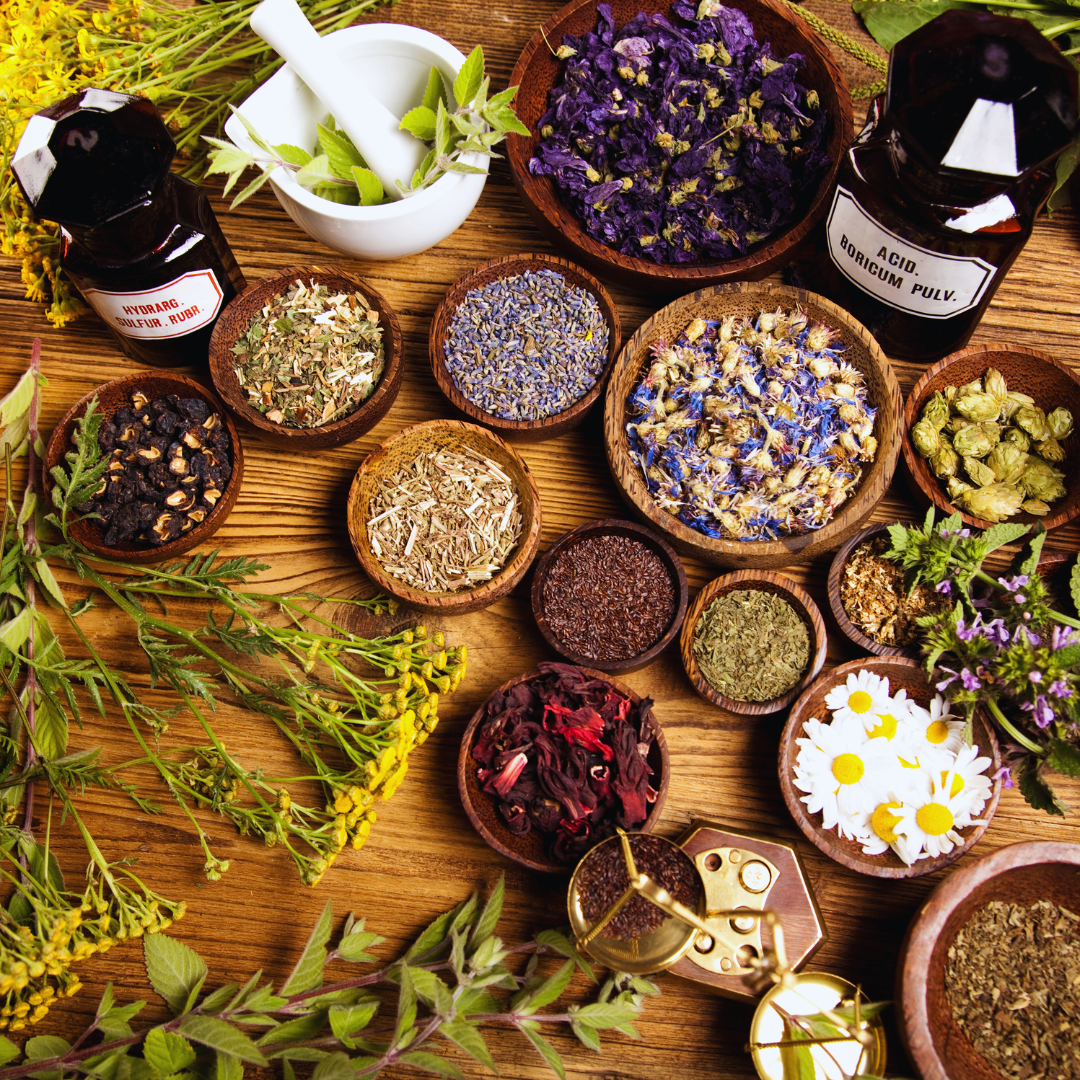
In a world increasingly focused on wellness and holistic health, many individuals are turning to herbal remedies for common ailments. These natural remedies derived from plants offer a way to promote healing and balance in daily life, positioning food as medicine at the forefront of self-care. With a rich history in traditional practices, medicinal herbs provide effective options for those seeking alternatives to conventional treatments.
Exploring the potential of herbs reveals a diverse range of options, from soothing chamomile for sleep issues to ginger for digestive discomfort. This holistic approach to health not only addresses specific ailments but also encourages a deeper connection to nature and personal well-being. By embracing these plants, individuals may find a pathway towards improved health and vitality.
Understanding Herbal Remedies
Herbal remedies have a long history and are often seen as a natural alternative to conventional medicine. They offer various benefits and raise important safety and regulatory considerations.
Historical Use of Herbal Medicine
Herbal medicine has its roots in ancient civilisations, where plants were used for their healing properties. The use of medicinal herbs can be traced back thousands of years in cultures across the globe, including Traditional Chinese Medicine and Ayurveda in India.
Many herbal remedies were documented in early texts, showcasing their relevance in treating a variety of ailments. Knowledge of these plants has often been passed down through generations, emphasising sustainability and the importance of environmental stewardship.
Today, modern herbalism blends traditional knowledge with scientific research, validating practices and expanding the repertoire of available remedies. This integration has sparked renewed interest in plant-based treatments as part of holistic health practices.
Herbs vs. Conventional Medicine
Herbal remedies are often considered complementary to conventional medicine, focusing on natural healing processes. While conventional treatments may involve pharmaceuticals and surgical interventions, many individuals prefer herbs due to their perceived benefits, such as minimal side effects and a holistic approach.
Common herbs used include chamomile for calming effects and peppermint for digestive health. These remedies can be more sustainable, utilising locally sourced plants, which often require less environmental impact than industrial medicine production.
It is essential to note that herbal and conventional medicines can sometimes interact. Therefore, individuals should consult healthcare professionals before combining treatments to ensure safety and maximise efficacy.
Safety and Regulation
The safety of herbal remedies is a critical consideration. Unlike pharmaceuticals, which undergo rigorous testing and regulation, herbal products can vary significantly in quality and potency. This variability can lead to inconsistent effects and potential risks.
In many regions, herbal products are less strictly regulated. Consumers should seek out products with clear labelling and those produced by reputable manufacturers. Look for certifications indicating compliance with safety standards.
Moreover, herbal remedies, while often perceived as gentle, can still cause adverse reactions, particularly for individuals with allergies or those taking other medications. Conducting thorough research and consulting health professionals is advisable for safe usage.
Common Herbs for Everyday Ailments
Herbal remedies can provide effective support for various common ailments. Each herb mentioned is associated with specific benefits that can aid in recovery and overall well-being.
Herbs for Digestive Health
Ginger is well-known for its ability to ease nausea and improve digestion. It can be consumed as a tea or added to meals. Peppermint is another effective herb, often used to relieve digestive issues such as bloating and gas. Peppermint tea can soothe the stomach and relax digestive muscles.
Chamomile is recognised for its calming effects and can act as an antispasmodic, alleviating symptoms of indigestion and promoting better sleep. Many people find that a warm cup of chamomile tea can provide relief from digestive discomfort, making it a popular choice after meals.
Natural Analgesics for Pain Relief
Certain herbs serve as natural pain relievers. Turmeric, containing curcumin, is known for its anti-inflammatory properties, which can help alleviate arthritis and muscle aches. Incorporating turmeric into meals or taking it as a supplement can be beneficial for those suffering from chronic pain.
Ginger also plays a significant role here; it is effective for headaches and migraines when consumed in tea form or as an extract. Eucalyptus can aid in providing relief for headaches through inhalation of its essential oil, promoting relaxation and reducing tension.
Herbs for Respiratory Support
For respiratory conditions, eucalyptus is favoured for its decongestant properties, often used in steam inhalations to relieve congestion and soothe a sore throat. It contains compounds that help open airways, making breathing easier.
Elderberry syrup is another notable herb, often taken to combat colds and support immune function. It may help reduce the severity and duration of cold symptoms, making it a valuable ally during flu season. This syrup can be consumed directly or added to tea.
Natural Remedies for Stress and Anxiety
Herbs can be helpful in managing stress and anxiety. Chamomile, known for its mild sedative effects, is a great choice for those seeking relaxation. Drinking chamomile tea before bed can promote restful sleep and help ease anxious thoughts. Another effective option is instant kava powder, which can be simply mixed with water. It’s best to use kava while unwinding in the evening to maximize its calming benefits. One can Buy Kava Online or source it from credible local herbal shops.
Preparing this traditional root can sometimes be time-consuming, which is why modern pre-made mixes have become so popular. A high-quality kava powdered drink is a quick way to enjoy these soothing effects without the usual earthy taste. These blends often combine the active ingredients with natural fruit flavors to make the experience more pleasant. They are easy to stir into cold water at the end of a busy day. This makes it simple to establish a relaxing routine that helps quiet the mind before sleep.
Lavender is another calming herb, commonly used in aromatherapy. Its fragrance can help reduce anxiety levels and improve sleep quality. Preparing a lavender-infused bath or using lavender essential oil during a massage can provide significant relief from stress.
Enhancing Immunity with Herbs
Echinacea is well-known for its immune-boosting properties, often taken as a tea or in supplement form. It can significantly reduce the chances of catching a cold if taken at the first sign of illness.
Garlic also supports the immune system due to its antibacterial and antiviral properties. Incorporating garlic into daily meals can enhance overall health and immunity. Honey is often used alongside these herbs, as it not only soothes a sore throat but also possesses antimicrobial aspects that boost immune responses.
Holistic Practices Complementing Herbal Remedies
Holistic practices are essential in enhancing the effects of herbal remedies. By integrating these approaches, individuals can achieve improved relaxation, stress relief, and overall wellness.
The Role of Aromatherapy
Aromatherapy utilises essential oils from plants to promote physical and emotional well-being. Oils like lavender and peppermint are commonly used for their calming and invigorating properties, respectively.
Inhalation of these oils can alleviate stress and anxiety, contributing to better sleep quality. Herbal teas infused with these scents can further enhance the aromatherapy experience, providing a soothing ritual.
Using an essential oil diffuser at home allows for consistent exposure to these beneficial scents, promoting a tranquil environment.
Yoga and Meditation for Holistic Wellness
Yoga and meditation serve as powerful tools for holistic wellness. Both practices enhance mental clarity and reduce stress levels.
Through various poses and breathing techniques, yoga helps in releasing pent-up tension in the body. This physical aspect works in tandem with meditation, which fosters inner peace and mindfulness.
Regular practice of these disciplines can significantly contribute to an individual’s overall health by facilitating relaxation and improving emotional control.
Massage and Bodywork Therapies
Massage therapy offers numerous benefits that complement herbal remedies. An experienced Massage Therapist uses techniques like the Swedish and deep tissue massage to promote significant relaxation and relieve muscle tension.
Different traditions bring unique methods to bodywork. For example, passive stretching and joint mobilization are key parts of traditional Eastern practices. People often seek out these specialized methods to relieve chronic tightness and improve their flexibility. If you want to experience these benefits, booking a session for Thai Massage Glasgow (or elsewhere) can be a practical option. This style of bodywork helps restore movement and relaxes the entire body.
Natural herbal oils such as eucalyptus and rosemary can enhance the massage experience, combining the therapeutic effects of touch with the benefits of aromatherapy. Applying these oils helps in soothing aches and supporting better circulation.
Regular bodywork can help individuals during recovery from illness by supporting both physical and emotional health.
Ancient Healing Systems and Herbs
Ancient systems like Ayurveda and Traditional Chinese Medicine (TCM) incorporate herbal remedies within their holistic practices. Ayurveda emphasises balance among body, mind, and spirit, often using herbs tailored to an individual’s dosha.
In TCM, herbs are combined with practices such as acupuncture to achieve balance within the body. Specific herbal formulas target common ailments, providing relief and promoting well-being.
Both systems advocate for preventative care, suggesting that integrating herbs with lifestyle practices can lead to a healthier, more balanced life.
Lifestyle Considerations and Nutritional Support
Integrating lifestyle choices and nutritional support can enhance the benefits of herbal remedies. Proper diet, regular exercise, and adequate vitamins and minerals play significant roles in overall health and can aid in the management of various ailments.
Diet and Nutrition with Herbal Supplements
A balanced diet complements herbal supplements effectively. Foods rich in magnesium, such as spinach and nuts, can help alleviate insomnia and reduce depression symptoms. Vitamin C, found in citrus fruits, is essential for immune function and may enhance the impact of herbs like hawthorn and ginkgo.
Including items like apple cider vinegar in meals may assist with acid reflux. Fennel and ginger can be beneficial for digestive health, while ashwagandha may support stress reduction. It is essential to avoid excessive sugar and processed foods, as these can hinder the effectiveness of herbal treatments.
Exercise and Physical Activity
Regular exercise contributes to emotional and physical well-being. It has been shown to reduce symptoms of depression and can enhance the effectiveness of supplements like St. John’s wort and valerian for calming anxiety and improving sleep.
Incorporating activities such as walking, yoga, or swimming not only aids in maintaining a healthy weight but also helps manage conditions like psoriasis and allergies through improved circulation and reduced inflammation. Consistency in physical activity can notably improve the effectiveness of herbal remedies in daily health routines.
Vitamins and Minerals as Adjuncts to Herbs
Vitamins and minerals can enhance the therapeutic effects of herbal remedies. Vitamin D plays a crucial role in immune function and may work synergistically with herbs like feverfew for migraine relief.
Magnesium also contributes to relaxation and is known to boost the calming effects of valerian. Incorporating good sources of vitamin C and zinc supports overall health and aids the immune system.
Choosing ginseng as a supplement amidst a nutritious diet might provide an additional boost in energy levels. Ensuring adequate intake of these nutrients can create a supportive environment for optimal herbal remedy efficacy.