
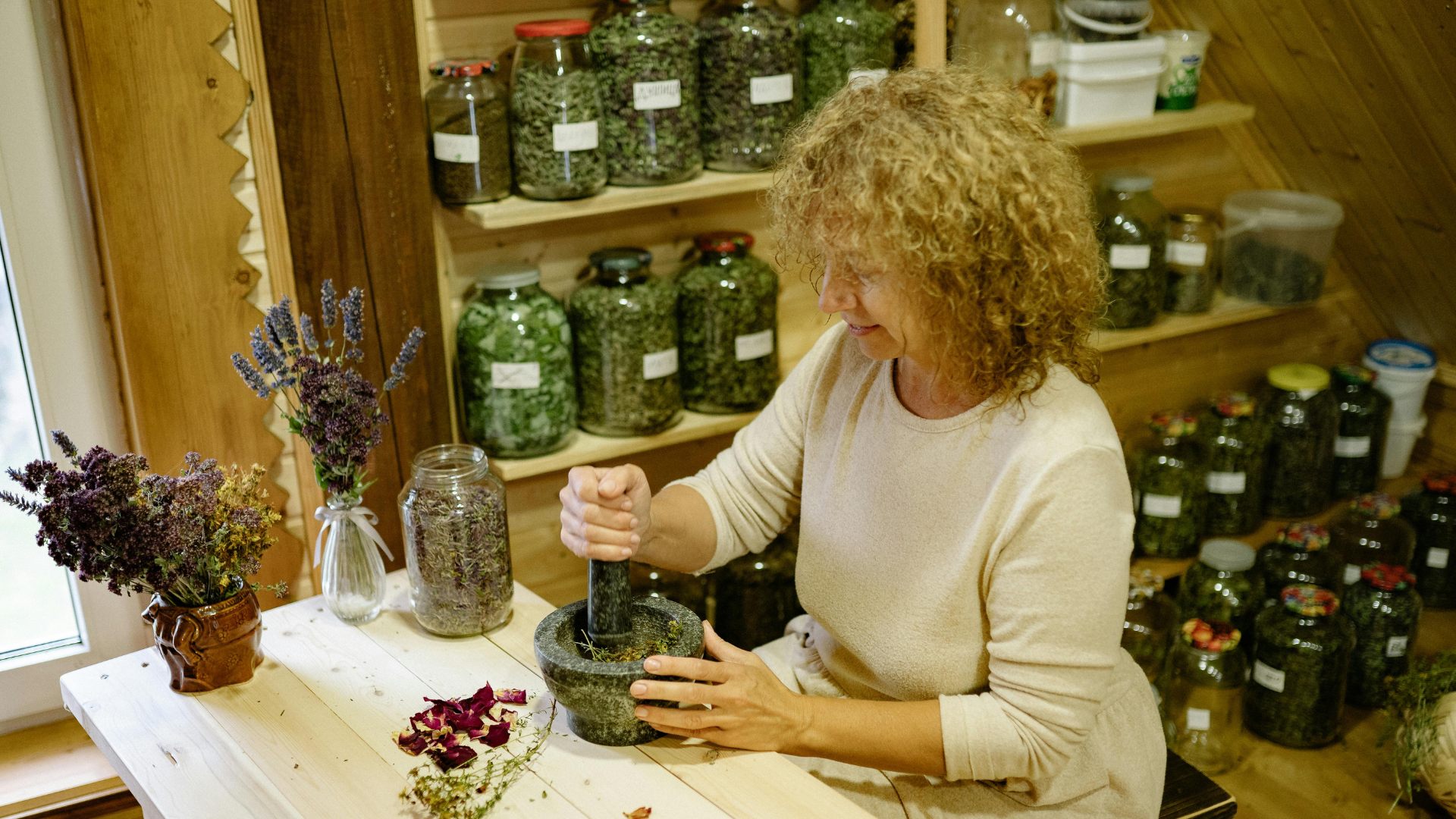
Drying and storing herbs properly allows them to retain their flavour and aroma for use throughout the year. The most effective method is to air-dry herbs in a cool, dark place and store them in airtight containers away from light and heat. This simple process preserves the essential oils that give herbs their distinctive taste.
Understanding the right conditions for drying and storing herbs prevents mould and loss of flavour. Whether harvested from a garden or bought fresh, herbs must be handled with care immediately after picking to maintain their quality.
By mastering these steps, anyone can enjoy fresh-tasting herbs long after the growing season ends. The following guide will cover practical techniques and storage tips to make the most of your herbs all year round.
Selecting and Harvesting Herbs for Drying
Choosing the right herbs and knowing when and how to harvest them ensures the best flavour and preservation. Proper tools and techniques help maintain quality and essential oils during drying.
Best Time to Harvest for Maximum Flavour
Herbs should be picked just before they flower to maximise flavour and aroma. This is when the essential oil content is at its peak in most herbs.
Morning, after the dew dries but before the sun is too hot, is ideal for harvesting. This reduces the risk of essential oil loss due to heat.
For leafy herbs like basil, parsley, and mint, harvest the top leaves rather than lower shoots. Woody herbs such as rosemary and thyme can be cut in long stems close to the base.
Herb-Specific Harvesting Guidelines
Basil is best harvested by pinching off the stem tips regularly to encourage bushier growth. Avoid harvesting more than one-third of the plant at a time.
Rosemary and thyme can be cut year-round, but preferably in the early morning. Their woody stems dry well when tied in small bundles.
Oregano and sage benefit from being cut before flowering. Leave some growth to allow continued production.
Dill and parsley should be harvested before flowering for leaves, or later if seeds are needed. Mint grows vigorously and can be cut frequently for drying.
Tools and Preparation for Harvest
Use clean, sharp garden scissors or pruning shears to avoid damaging plants. Dull tools crush herbs, causing premature wilting and loss of oils.
Prepare by removing any dead or discoloured leaves before drying. Rinse herbs gently in cool water if dusty, then pat dry with a clean cloth.
Harvest into a basket or container that allows airflow to prevent wilting. Avoid plastic bags, which trap moisture.
Gather bundles of similar-sized stems for even drying. Tie them loosely witha string or rubber bands to promote air circulation.
Preserving Essential Oils During Harvest
Handle herbs gently to prevent bruising, which drains essential oils and reduces potency. Avoid crushing leaves or stems during picking.
Harvest during dry weather, as moisture dilutes oils and increases the risk of mould. Avoid harvesting after rain or heavy dew.
Limit exposure to direct sunlight after cutting by placing herbs in shade or indoors with good ventilation. This maintains oil integrity for drying.
Store bundles temporarily in a cool, dry place before drying. Quick processing reduces oil degradation and preserves fresh herb characteristics.
Effective Methods for Drying Herbs
Drying herbs preserves their flavour and aroma for months. Different drying techniques suit various herbs, affecting texture and potency. Proper drying ensures herbs like thyme, basil, rosemary, oregano, sage, parsley, dill, and mint maintain quality for year-round use.
Air Drying Techniques
Air drying is the traditional method, ideal for sturdy herbs such as rosemary, thyme, and oregano. Tie small bundles of fresh herbs and hang them upside down in a warm, dry, well-ventilated area away from direct sunlight.
Avoid overcrowding the bundles to prevent mould growth. Drying time varies, often taking 1-3 weeks depending on humidity and air circulation. Herbs are dry when the leaves crumble easily.
Soft herbs like parsley and mint are less suited to air drying unless dried quickly to avoid rot. Air drying retains essential oils best but requires patience.
Oven Drying Process
Oven drying speeds the drying process and can be used for hardy and soft herbs. Preheat the oven to its lowest setting, usually around 50°C (120°F). Spread fresh herbs in a single layer on baking trays lined with parchment paper.
Leave the oven door slightly ajar to allow moisture to escape. Check herbs every 10-15 minutes to prevent overheating or burning. Total drying time ranges from 30 minutes to 2 hours.
Once leaves are dry and brittle, remove them immediately. This method is best for herbs like basil and sage that dry unevenly with air drying.
Dehydrator Use and Settings
Using a food dehydrator offers precise control and consistent heat, suitable for all herb types. Set the dehydrator temperature between 35°C and 45°C (95°F to 113°F). Spread herbs evenly on trays without overlapping.
Drying time depends on herb thickness; it usually takes 1-4 hours. Rosemary and thyme dry faster than denser herbs like parsley. Shake trays occasionally for even drying.
This method preserves colour and flavour well while reducing the risk of mould. It’s efficient for drying larger batches of fresh herbs.
Microwave and Paper Bag Methods
Microwave drying is the quickest option, best for small amounts of soft herbs such as mint and basil. Place fresh herbs between two paper towels on a microwave-safe plate. Microwave in short bursts of 20-30 seconds.
Check moisture levels regularly, as overheating can cause herbs to burn or become bitter. Total drying time typically ranges from 1 to 3 minutes. This method is not ideal for woody herbs like rosemary.
The paper bag method involves placing herbs loosely in a brown paper bag, which is then folded and stored in a warm, dry spot. This traps air but encourages drying by absorption of moisture by the bag. It generally takes 1-2 weeks to dry herbs like parsley or dill using this technique.
Proper Storage of Dried Herbs
Storing dried herbs correctly preserves their flavour and potency for months. Using appropriate containers, placing them in suitable environments, and regularly checking their condition helps maintain quality.
Choosing the Right Containers and Labelling
Dried herbs should be kept in airtight containers to prevent moisture and air exposure. Glass jars with tight-fitting lids are ideal, as they do not absorb odours or interact with herbs like plastic can.
Opaque or dark-coloured containers protect herbs from light, which can degrade oils in herbs such as basil, rosemary, and thyme. If glass jars are clear, store them in a dark cupboard.
Label containers clearly with the herb name and drying date. This helps track freshness, especially for herbs like oregano, sage, and parsley, which lose flavour over time.
Best Locations and Environmental Conditions
Herbs need cool, dry, and dark storage areas. Ideal spots include a pantry or cupboard away from heat sources like ovens or direct sunlight.
The temperature should stay below 20°C, and the humidity needs to be low to avoid mould. Avoid storing dried herbs near the sink or windows.
Herbs such as dill and mint are more delicate and benefit especially from stable, cool conditions to maintain their aroma and flavour.
Maintaining Flavour and Potency
To retain maximum flavour, store dried herbs whole instead of ground. Grinding releases essential oils and causes faster flavour loss.
Only crush herbs just before use, particularly robust varieties like rosemary and oregano. This preserves the volatile oils that provide taste and aroma.
Check jars regularly and do not expose dried herbs to fluctuating temperatures or moisture, as this reduces potency over time.
Identifying Signs of Deterioration
Herbs past their prime lose colour and aroma. Leaves may crumble easily and appear dull, indicating lost essential oils.
If herbs smell musty or show dark spots, this suggests mould growth or moisture damage. Discard any affected herbs immediately.
Taste tests can check potency: weak or bitter flavours mean the herb has deteriorated and should be replaced.
Using and Enjoying Your Preserved Herbs Year-Round
Properly dried and stored herbs provide flavour months after harvesting. To make the most of preserved herbs like basil, rosemary, thyme, oregano, sage, parsley, dill, and mint, understanding storage limits, recipe adjustments, and creative uses is essential.
Recommended Storage Duration
Dried herbs maintain peak flavour for 6 to 12 months. Herbs with robust oils, such as rosemary and thyme, may last closer to a year. Delicate herbs like basil and parsley generally lose potency after six months.
Storage conditions affect longevity; keep herbs in airtight containers away from light and heat. Glass jars with tight lids are ideal. Avoid plastic bags or open containers, which accelerate flavour loss.
Label jars with the drying date. Discard herbs once they lose aroma or taste. Using old dried herbs results in bland, weak flavours in cooking.
Converting Dried Herbs to Fresh in Recipes
Dried herbs are more concentrated than fresh herbs, so adjust quantities accordingly. A general rule is to use one-third the amount of dried herbs as fresh. For example, substitute 1 teaspoon of dried basil for 1 tablespoon of fresh basil.
Add dried herbs earlier in the cooking process to allow flavours to infuse, especially in soups, stews, or sauces. Fresh herbs like mint or parsley are best added near the end for brightness, but their dried counterparts can handle longer cooking times.
Be cautious with delicate herbs (e.g., dill and parsley). Overcooking dried versions can dull their flavour completely.
Creative Ways to Incorporate Dried Herbs
Dried herbs can enhance a wide range of dishes beyond simple seasoning. Blend dried rosemary or thyme into homemade bread doughs for aromatic results. Sprinkle dried oregano and basil into salad dressings and marinades for Italian-style dishes.
Mint and dill work well in dried form for teas and infused waters. Sage can be crushed and mixed into butter to flavour roasted vegetables or meats. Parsley adds a subtle touch to rice, couscous, or potato dishes when sprinkled just before serving.
Experimenting with herb blends, such as mixing oregano, basil, and thyme, can create customised seasoning mixes to suit different cuisines easily.