
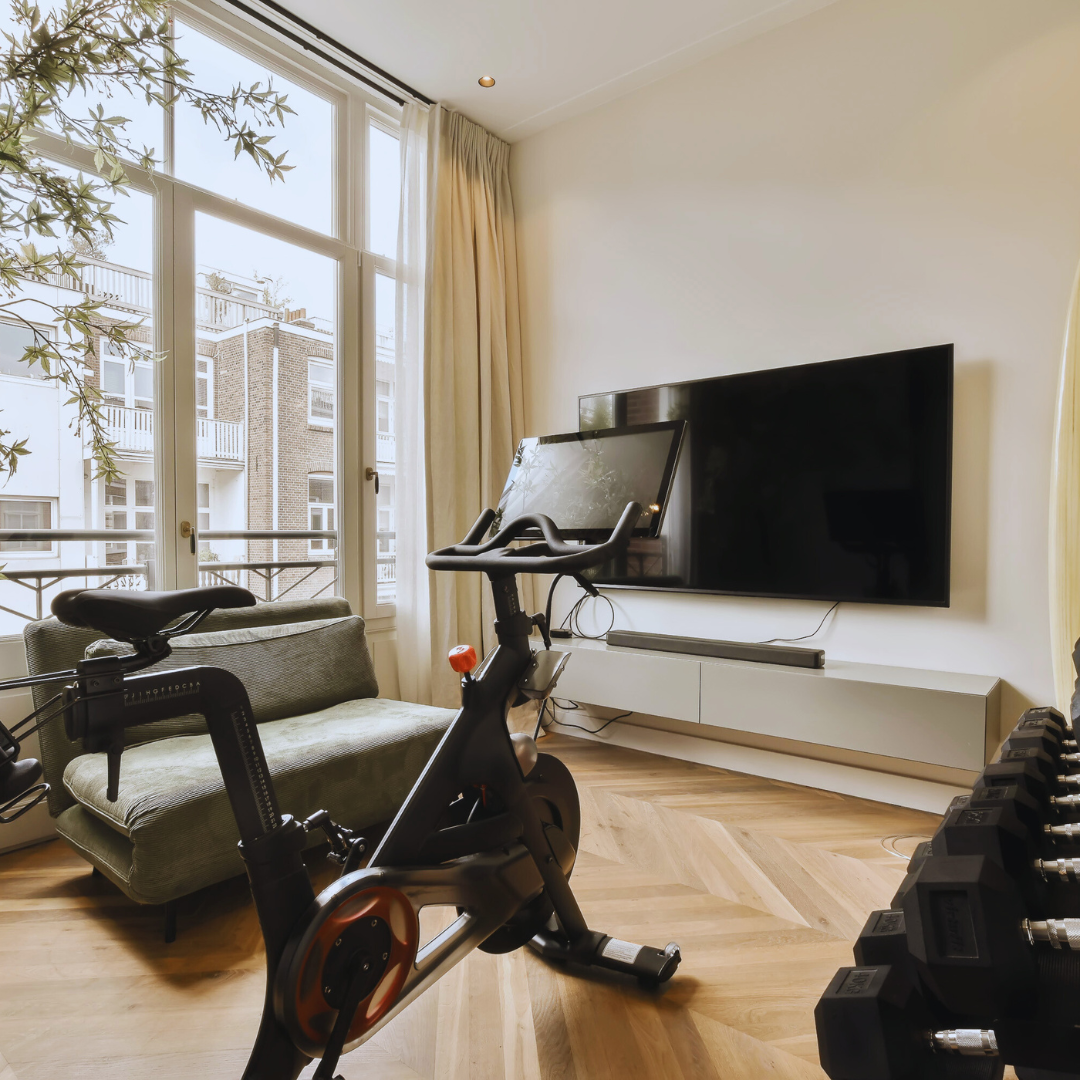
Creating a home gym can be an exciting step in supporting fitness goals and enhancing a fitness journey. It is possible to build an affordable home gym by focusing on essential equipment and strategic planning rather than expensive machines or elaborate setups. With the right approach, individuals can design a space that caters to their home workouts without straining their budget.
A thoughtful selection of versatile equipment, such as dumbbells, resistance bands, and mats, can provide a comprehensive workout experience. Investing in second-hand gear or utilising DIY alternatives can further reduce costs while maintaining functionality. By prioritising specific fitness needs, anyone can customise their space to maximise both physical training and enjoyment.
Establishing a dedicated workout area at home fosters not only convenience but also consistency in exercise routines. This commitment to fitness can lead to long-term health benefits and an overall improved lifestyle. Taking these steps towards building an affordable home gym equips individuals to stay motivated and engaged throughout their fitness journey.
Assessing Your Home Gym Needs
Careful assessment of individual fitness goals, available space, and environmental factors is crucial for effective home gym development. Understanding these elements helps create a tailored and functional workout environment.
Determining Fitness Goals
Establishing fitness goals provides direction for the home gym setup. Individuals should consider specific objectives, such as weight loss, muscle gain, or improved endurance.
Creating a clear vision allows for focused choices regarding equipment and space layout. For example, strength training requires free weights or machines, while cardio-focused routines may benefit from a treadmill or stationary bike.
Writing down goals aids in managing progress and sustaining motivation. It is beneficial to revisit and adjust these objectives over time, ensuring the gym continues to meet evolving fitness needs.
Choosing the Right Workout Space
Selecting the ideal workout space can significantly enhance gym functionality. The location should be spacious enough to accommodate both equipment and movement.
Consider factors such as natural light and proximity to other living areas. A quiet, distraction-free zone improves focus during workouts.
Potential areas include spare rooms, basements, or garages. Each space should allow for versatile exercise routines and facilitate safe equipment usage.
Considering Space Constraints and Ventilation
Space constraints often dictate the type and amount of equipment one can include. Measuring dimensions prior to purchasing items ensures they fit comfortably without overcrowding the area.
Ventilation is equally important. Adequate airflow reduces humidity and keeps the space cool, preventing discomfort during intense workouts.
Using fans or opening windows can improve air circulation. When developing a home gym, prioritising both space efficiency and ventilation ensures a pleasant and productive environment for various exercise routines.
Selecting Essential Equipment
Choosing the right equipment is vital for an effective home gym while remaining budget-conscious. Prioritising essential items can enhance workout variety and longevity without incurring excessive costs.
Free Weights and Adjustable Dumbbells
Free weights are fundamental for strength training. They offer versatility and can be used for a wide range of exercises. Adjustable dumbbells are an excellent investment, as they allow the user to change weights easily, saving space and money.
Key Benefits:
- Space-saving: Fewer weights take up less room.
- Cost-effective: One set can replace multiple dumbbells.
Kettlebells are another valuable option. They add variety to workouts and improve functional strength. Incorporating resistance bands is also beneficial. They are inexpensive, portable, and useful for strength training and rehabilitation.
Flexibility and Strength Training Tools
To enhance flexibility and core strength, tools like stability balls and resistance bands are essential. Stability balls can be used for various exercises, promoting balance and core engagement.
Using Resistance Bands:
- Adaptability: They come in various resistance levels.
- Portable: Easy to store and transport.
These tools complement free weights by adding new dimensions to strength training. A well-rounded routine can help improve overall fitness and prevent injury.
Cardio Equipment for Home Use
Cardio machines such as treadmills can revolutionise home workouts. A foldable treadmill is particularly advantageous for those with limited space. It can be easily stored when not in use, making it a practical choice.
Alternative Cardio Options:
- Skipping ropes: Cost-effective and space-efficient.
- Stationary bikes: Offer a low-impact workout.
Including various cardio options is crucial for a balanced fitness regimen. These machines and tools enable the user to engage in effective cardiovascular exercises at home, contributing to overall health and fitness.
Optimising Your Training Routine
A well-structured training routine can enhance muscle development, support flexibility, and ensure continuous improvement. By balancing strength training with bodyweight exercises and incorporating flexibility, individuals can train effectively at home without excessive costs.
Creating a Balanced Exercise Plan
A balanced exercise plan should consist of strength training, cardio, and flexibility components. For strength training, individuals can include exercises like squats, push-ups, and lunges. These can be performed using resistance bands or household items for added weight.
It’s advisable to schedule workouts effectively. For instance, strength training could occur three times weekly, alternating with cardio workouts such as jogging or cycling. Including rest days is essential to allow muscle recovery.
A sample weekly plan might look like this:
| Day | Activity |
| Monday | Strength Training |
| Tuesday | Cardio |
| Wednesday | Rest |
| Thursday | Strength Training |
| Friday | Cardio |
| Saturday | Flexibility |
| Sunday | Rest |
Incorporating Bodyweight and Flexibility Workouts
Bodyweight exercises are a cost-effective way to enhance strength. These include planks, burpees, and tricep dips. They can be done anywhere and adapt to fitness levels by adjusting repetitions or duration.
Flexibility workouts, such as yoga or dynamic stretching, improve mobility and prevent injuries. Incorporating these sessions at least twice weekly can significantly benefit overall performance and recovery.
An easy routine might include:
- Morning: 10 minutes of yoga
- Midday: 15 minutes of bodyweight exercises
- Evening: 10 minutes of stretching before bed
Routine Adjustments for Progression
To ensure continuous improvement, individuals must adjust their routines periodically. This might involve increasing the number of sets or using more challenging variations of exercises.
For strength training, increasing weight or resistance every few weeks can push limits. Additionally, incorporating High-Intensity Interval Training (HIIT) can enhance cardiovascular fitness and boost calorie burn.
Tracking progress through a journal or app helps in recognising improvements and staying motivated. By routinely adjusting the programme, individuals can maintain engagement and challenge themselves effectively.
Enhancing Your Gym Experience
Creating an enjoyable and effective workout environment can significantly improve commitment and performance. Considering aspects such as flooring, equipment maintenance, and ancillary items is essential for maximising the experience.
Adding Comfort with Gym Flooring and Mats
Investing in good gym flooring can transform any fitness space. Flooring materials like rubber or foam provide cushioning, making workouts more comfortable. This is vital for activities involving impact, reducing strain on joints.
Yoga mats are also important for stretching or floor exercises. They add comfort and grip, preventing slips during workouts.
A foam roller can complement these additions by aiding in muscle recovery. Placed in the fitness space, it encourages regular use, enhancing overall comfort.
Ensuring Proper Equipment Maintenance
Proper maintenance of workout equipment is crucial for longevity and safety. Regularly inspecting items like suspension trainers and weights can identify wear and tear before issues arise.
Cleaning surfaces post-use helps maintain hygiene and equipment performance. A simple mixture of mild soap and water can effectively clean most items without damaging them.
Create a periodic maintenance schedule to check all equipment. This not only ensures safety but extends the life of the fitness space.
Maximising Effectiveness with Ancillary Items
Incorporating ancillary items can significantly enhance a gym’s functionality. Resistance bands, for instance, offer versatile workout options without taking up much space.
Storage solutions, such as racks or bins, can also keep the fitness area organised. This prevents clutter and aids in quick access to equipment, ensuring a focused workout.
He also might consider adding a quality set of dumbbells. They provide a wide range of exercise options and can be relatively inexpensive when compared to larger machines.