
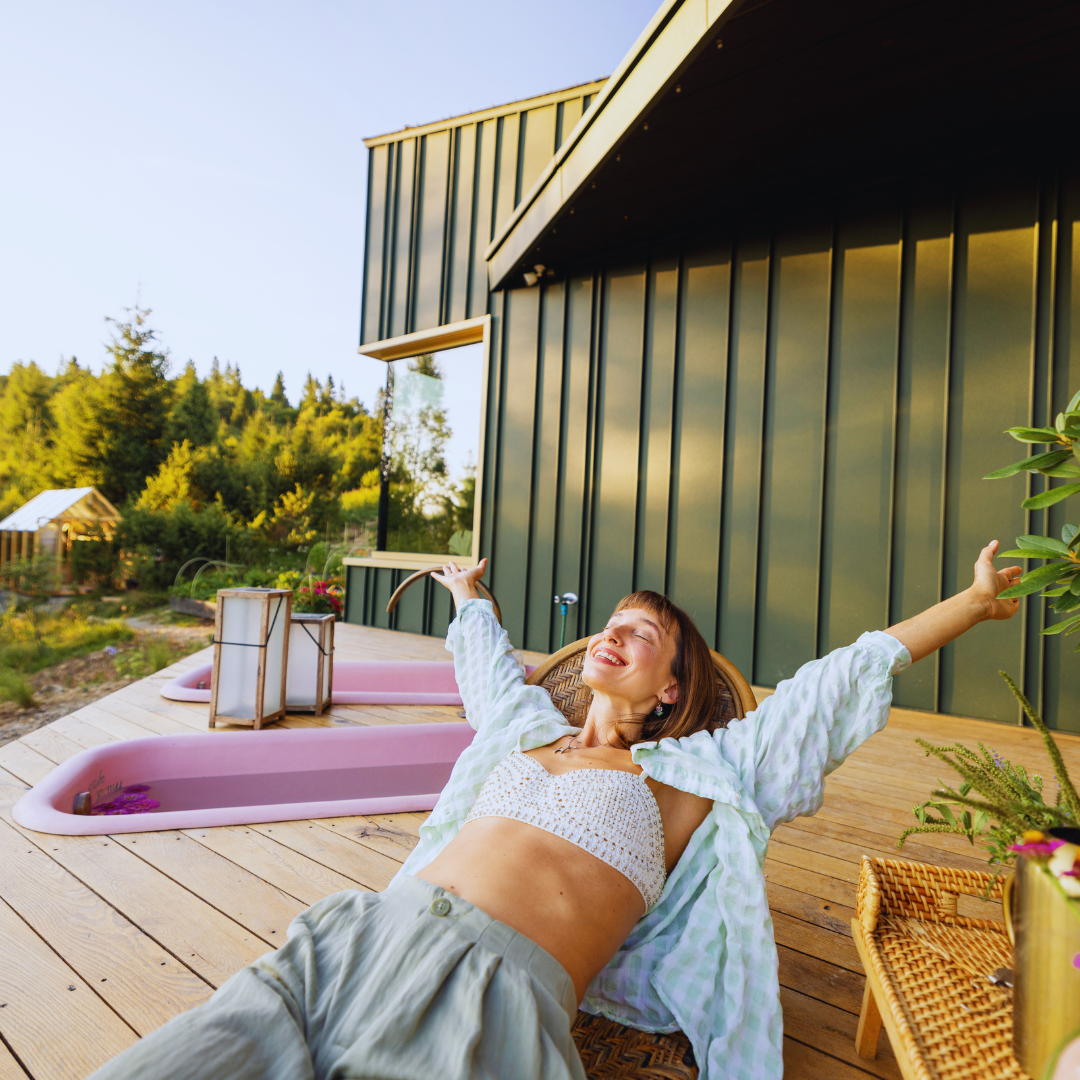
Creating a wellness retreat experience at home can be a transformative way to nurture the mind, body, and spirit. By setting aside dedicated time and space for relaxation and self-care, individuals can cultivate a sanctuary that promotes mindfulness and rejuvenation. Whether it’s a weekend getaway or an evening of pampering, these practices can easily be incorporated into daily life.
To begin, one must consider the atmosphere. Simple changes, such as dimming the lights, using essential oils, and playing calming music, can significantly enhance the environment. Incorporating elements like comfortable seating, plants, and soft textiles can also contribute to a more tranquil setting, allowing individuals to feel the serenity akin to a professional retreat.
The next step involves curating activities that centre on wellness. This might include guided meditation, gentle yoga, or even a creative hobby that brings joy. By engaging in these practices, they not only disconnect from daily stressors but also reconnect with themselves, making the wellness retreat experience uniquely personal and profoundly impactful.
Setting the Ambience for Your At-Home Wellness Retreat
Creating the right atmosphere is essential for a successful at-home wellness retreat. Focus on relaxation, connection to nature, and a technology-free environment to maximise the experience.
Creating a Relaxation Space
To foster relaxation, designate a specific area in the home for the retreat. This space should be quiet and comfortable, free from distractions.
- Declutter the area to promote mental clarity. Remove unnecessary items that may be visually or mentally distracting.
- Use soft lighting such as candles or fairy lights to create a calming glow. Natural light is also beneficial, so consider placing cushions or mats near windows.
- Incorporate elements of aromatherapy. Essential oils like lavender or eucalyptus can enhance the atmosphere. A diffuser can disperse scents throughout the space.
Furniture should prioritise comfort. Consider adding cushions and blankets to create a cosy environment.
Incorporating Nature and Fresh Air
Bringing nature indoors can significantly enhance the retreat experience. Plants improve air quality and have calming effects on mental well-being.
- Choose easy-to-maintain houseplants like peace lilies or snake plants. Their presence fosters a serene environment.
- Open windows to allow fresh air in, promoting a sense of rejuvenation. Consider using outdoor spaces like balconies or gardens.
- If outdoor access is limited, place nature-themed decor such as landscape paintings or nature photography in the relaxation space.
Natural elements help create a peaceful, connected feeling with the environment.
Digital Detox: Unplugging to Recharge
Disconnecting from technology is vital for mental clarity and relaxation. Establish boundaries for digital usage during the retreat.
- Set clear tech-free periods, allowing for mindfulness and self-reflection. This encourages better engagement with the retreat experience.
- Store devices out of sight to help avoid temptation. Instead, encourage activities like reading or journaling, which do not require screens.
- Create a media-free environment; consider using calming music or nature sounds through non-digital means, such as a record player.
Engaging with the retreat without the influence of technology enhances the overall wellness experience.
Personal Wellness Activities
Creating a personal wellness retreat at home involves engaging in activities that promote mental and physical wellbeing. Incorporating meditation, yoga, and journaling can significantly enhance the experience and support overall health.
Engaging in Meditation and Mindfulness
Meditation and mindfulness practices help cultivate a calm mind and reduce stress. These practices involve focusing attention on the present moment through techniques like deep breathing and guided imagery.
To start, one can set aside a specific time each day for meditation. A quiet space should be chosen, free from distractions. Beginners might find it helpful to use apps or online videos for guidance and structure.
Key techniques include:
- Breathing Exercises: Focus on slow, deep breaths to promote relaxation.
- Body Scan: Bring awareness to different body parts to release tension.
- Mindful Observation: Engage with surroundings by observing sounds or sensations without judgment.
Practicing consistently can lead to improvements in mental clarity and emotional resilience.
Yoga and Physical Activity
Incorporating yoga into a personal wellness retreat can enhance flexibility and strength while promoting relaxation.
One can choose from various styles, such as Hatha for gentler movements or Vinyasa for a more dynamic practice. Setting up a dedicated space with a yoga mat and calming elements like candles can further enhance the atmosphere.
Key elements of a home yoga practice include:
- Asanas (Postures): Incorporate standing, sitting, and balancing poses for a well-rounded routine.
- Flow Sequences: Link poses with breath for a meditative experience.
- Cool Down: End sessions with restorative poses like Child’s Pose or Savasana for relaxation.
Regular physical activity, whether through yoga or other forms, contributes positively to mental health.
Journaling for Mental Health
Journaling provides an effective outlet for self-expression and reflection. It allows individuals to process thoughts and emotions, which can improve mental wellbeing.
Start with a dedicated journal and set aside time daily or weekly to write. Different approaches can be used, such as free writing, prompts, or gratitude lists.
Consider these journaling techniques:
- Reflective Journaling: Write about daily experiences and feelings to deepen self-awareness.
- Goal Setting: Outline personal goals to provide direction and motivation.
- Gratitude Journals: Note things to be thankful for, enhancing positivity and reducing stress.
Engaging in regular journaling can lead to improved emotional health and a clearer mindset.
Nurturing the Body and Mind
Creating a balanced wellness retreat at home involves focusing on both physical relaxation and mental clarity. Engaging in activities that promote relaxation and mindful eating enhances well-being and improves sleep quality.
DIY Spa and Relaxing Activities
Transforming a space into a home spa can significantly reduce stress. Start with essential oils such as lavender or eucalyptus, known for their calming properties. A simple DIY facial can involve natural ingredients like honey and oatmeal, providing nourishment for the skin.
Incorporating relaxing activities is essential. A bubble bath, enhanced with calming music, helps soothe the mind and body. Practicing self-massage techniques using essential oils can relieve tension in muscles. Explore wellness activities like gentle yoga or guided meditation to deepen relaxation.
Mindful Eating and Nutrition
Mindful eating encourages awareness of food choices and promotes healthier eating habits. Preparing healthy meals with fresh ingredients ensures balanced nutrition. Create a weekly meal plan that includes plenty of fruits, vegetables, and whole grains.
Hydration is equally important. Aim for at least eight glasses of water each day. Drinking herbal teas can also contribute to hydration while offering soothing effects. When cooking, try healthy recipes that incorporate nutrient-dense foods to support both body and mind.
Optimising Sleep Quality
Quality sleep is crucial for overall well-being. Establish a sleep routine by going to bed and waking up at the same time daily. Creating a calming bedtime environment contributes to better sleep. Dim the lights and turn on soft, calming music to signal it’s time to unwind.
Limit exposure to screens at least an hour before bed. Consider using essential oils such as chamomile or cedarwood in a diffuser. Incorporate relaxation techniques, like deep breathing or gentle stretching, to prepare the body for rest. Focus on creating a restful space that promotes deep and restorative sleep.
Integrating Wellness into Daily Life
Incorporating wellness into daily life enhances overall wellbeing and fosters a sense of balance. Emphasising self-care routines and cultivating gratitude can significantly improve mental and emotional health.
Building Self-Care Routines
Establishing self-care routines is crucial for maintaining wellness. This involves setting aside time each day for activities that promote relaxation and enjoyment.
Individuals may find it helpful to create a daily schedule that includes me-time. This could include reading, meditating, or engaging in a hobby.
Incorporating physical activities such as yoga or walking can enhance both physical and mental health. Additionally, maintaining a balanced diet supports overall wellbeing, ensuring that the body receives essential nutrients.
Setting achievable goals can promote a sense of accomplishment. Regularly revisiting and adjusting these routines keeps them relevant and aligned with personal needs.
Cultivating Gratitude and Downtime
Practising gratitude can have profound effects on mental wellbeing. Keeping a gratitude journal encourages individuals to reflect on positive aspects of their lives, fostering a sense of contentment.
Taking intentional breaks throughout the day can also promote relaxation. Scheduling short periods for downtime allows for mental replenishment and prevents burnout.
Engaging in relaxing activities, such as taking a warm bath or enjoying nature, can reduce stress significantly. These moments create space for introspection and rejuvenation.
Individuals may also explore mindfulness exercises, which can enhance awareness of the present moment. This helps cultivate a deeper appreciation for life’s simple pleasures, reinforcing a positive mindset.