
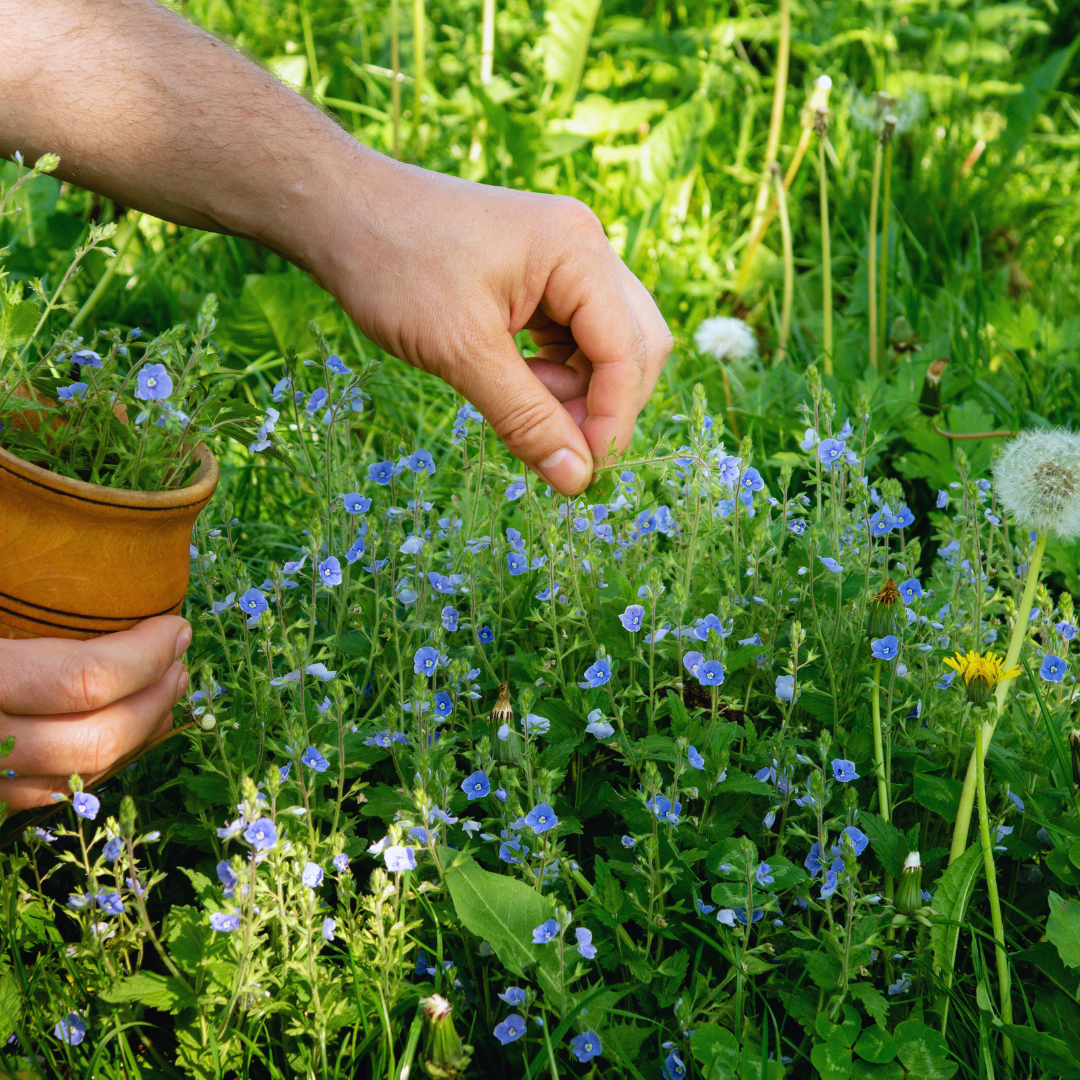
Herbs have been used for centuries for their healing properties, forming the foundation of many traditional medicinal practices. These natural remedies have gained renewed interest in modern wellness discussions, as more individuals seek alternatives to conventional medicine. The right healing herbs can offer significant benefits, supporting various health concerns and promoting overall wellness.
Incorporating herbal medicine into daily routines can enhance physical and mental health. From calming chamomile to invigorating ginger, each herb possesses unique qualities that can address specific ailments. This exploration into the world of healing herbs highlights their roles and the potential they hold for those looking to improve their well-being without relying solely on pharmaceuticals.
As more people turn to nature for solutions, understanding the benefits of herbs becomes increasingly valuable. By learning about different herbal remedies, individuals can empower themselves in their health journeys, embracing a holistic approach to wellness.
Historical and Cultural Significance of Herbal Healing
Herbal healing has played a vital role in various cultures throughout history, deeply intertwined with their medicinal practices and cultural heritage. It encompasses traditional uses of medicinal plants and the modern recognition of their benefits, illustrating a fascinating evolution in health practices.
Traditional Uses Across Different Cultures
Historically, herbal remedies have been utilised across diverse cultures. In ancient Egypt, herbs like garlic and aloe vera were prized for their healing properties. Traditional Chinese Medicine emphasises the use of adaptogens, such as ginseng, to strengthen the body’s resistance to stress.
In India, Ayurveda employs a comprehensive system of herbal treatments focused on balancing bodily energies. Native American practices include the use of sage and sweetgrass for cleansing and healing. These examples demonstrate the rich tapestry of knowledge regarding herbs, rooted in cultural identities and passed down through generations.
Scientific Recognition and Modern Integration
In recent years, there has been growing scientific interest in herbal healing. Many medicinal plants are now being studied for their active compounds and potential therapeutic benefits. For example, the adaptogenic properties of ashwagandha are increasingly recognised for their stress-reducing effects.
Modern healthcare is beginning to integrate herbal medicine alongside conventional treatments. This integration acknowledges the importance of cultural heritage and traditional knowledge. Evidence-based research supports the efficacy of various herbs, leading to more holistic approaches in patient care. Such developments highlight a significant shift in how herbal healing is viewed in contemporary medicine.
Major Herbal Remedies and Their Effects
This section examines several significant herbal remedies and their specific benefits. Each remedy possesses unique properties that can contribute to health and well-being in various ways.
Turmeric and Curcumin
Turmeric is a bright yellow spice widely known for its potential health benefits. Its primary active ingredient, curcumin, has demonstrated strong anti-inflammatory and antioxidant properties. Studies suggest that curcumin may assist in reducing inflammation associated with conditions such as arthritis and could help manage pain levels.
Additionally, curcumin has been investigated for its potential role in cancer prevention and treatment. While more research is necessary, its antioxidant properties may contribute to protecting cells from damage. Turmeric can be consumed in various forms, including capsules, teas, and as a cooking spice.
Ginger and Gastrointestinal Relief
Ginger, a popular root used in cooking and herbal medicine, is particularly effective for nausea relief. It has been shown to alleviate symptoms of motion sickness, morning sickness during pregnancy, and nausea caused by chemotherapy.
The active compounds in ginger, such as gingerol, also exhibit anti-inflammatory effects, which may be beneficial for digestive health. In addition to easing nausea, ginger can improve overall digestion and reduce bloating when consumed regularly. Its versatility allows for its use in teas, supplements, and culinary dishes.
Echinacea and Immune Support
Echinacea is well-known for its role in supporting the immune system. Often used as a remedy for the common cold, it may help reduce the duration and severity of cold symptoms. It is believed that echinacea increases the number of white blood cells, enhancing the body’s ability to fight infections.
Available in various forms, including capsules, tinctures, and teas, echinacea is best used at the onset of cold symptoms for optimal effectiveness. Regular intake may boost overall immune function, but individual results can vary.
Ginkgo Biloba and Cognitive Function
Ginkgo biloba has gained attention for its potential effects on memory and cognitive function. It is believed to enhance blood circulation to the brain, which may improve cognitive speed and memory in older adults or those experiencing cognitive decline.
Some studies suggest ginkgo may also aid in treating conditions like tinnitus and anxiety, although research results are mixed. Ginkgo is typically consumed as a supplement in capsule or liquid form and should be used cautiously due to potential blood-thinning effects.
St John’s Wort and Mental Health
St John’s Wort is frequently utilised as a natural treatment for depression and mental health issues. This herb contains hypericin, which is thought to interact with neurotransmitters related to mood regulation, such as serotonin.
Numerous studies suggest its efficacy in treating mild to moderate depression, making it a common alternative to prescribed antidepressants. However, it may interact with various medications, so consulting a healthcare professional before use is essential. St John’s Wort is often available in capsules, teas, or tinctures.
Health Conditions and Herbal Interventions
Herbs offer various potential benefits for managing specific health conditions. This section addresses key areas where herbal interventions can be applied, focusing on heart health, skin ailments, digestive issues, and cognitive disorders.
Herbs in Managing Heart and Metabolic Health
Certain herbs can support cardiovascular health by regulating cholesterol levels and blood pressure. For instance, Hawthorn is known to strengthen heart function and improve blood circulation, making it beneficial for individuals with cardiovascular disease.
Garlic has also shown promise in lowering blood pressure and cholesterol levels, contributing to better heart health. Additionally, Cinnamon may help in managing insulin sensitivity, thereby assisting with diabetes control and weight loss.
Incorporating these herbs into everyday diets may enhance overall heart health and metabolic function, aiding in the prevention of conditions like diabetes and hypertension.
The Role of Herbs in Skin Conditions
Herbal remedies can effectively address various skin conditions, including eczema, acne, and inflammation. Aloe Vera is commonly used for its soothing properties, helping to reduce irritation and redness.
Turmeric, with its active ingredient curcumin, possesses strong anti-inflammatory and antioxidant properties. It may be relished for treating conditions like eczema and psoriasis, promoting healthy skin.
Moreover, Tea Tree Oil shows efficacy against acne due to its antimicrobial effects. Regular use of these herbs may support skin health and relieve symptoms associated with common dermatological issues.
Herbs for Digestive and Gastrointestinal Health
A range of herbs can significantly benefit digestive health. Peppermint is effective in reducing symptoms of irritable bowel syndrome (IBS) and alleviating gastrointestinal discomfort.
Ginger is recognised for its anti-nausea properties, widely used for digestive health and bloating relief. Fennel also aids digestion by reducing gas and bloating, making it an excellent addition to meals.
Incorporating these herbs into diets or consuming them as teas may assist individuals with gastrointestinal disorders, improving overall digestive wellness.
Cognitive and Neurological Health with Herbs
Herbs may play a role in enhancing cognitive function and managing neurological health. Ginkgo Biloba is often associated with improved memory and focus, potentially benefiting those with dementia or Alzheimer’s disease.
Rosemary has also been linked to cognitive enhancement and is known for its antioxidant properties, which may protect brain health. The potential of these herbs to support mental acuity makes them valuable in addressing age-related cognitive decline.
Regular use of cognitive-supportive herbs may contribute to better mental clarity and overall neurological well-being.
Safety, Dosage, and Interactions of Herbal Supplements
Understanding the safety, appropriate dosages, and potential interactions of herbal supplements is essential for safe usage. This knowledge helps individuals make informed decisions and avoid adverse effects.
Regulatory Overview and Quality Standards
Herbal supplements are classified under dietary supplements, not medications, in many jurisdictions. Regulatory bodies, such as the UK’s Medicines and Healthcare Products Regulatory Agency (MHRA), monitor these products. However, the regulations can differ significantly from those for pharmaceuticals.
Quality standards are not uniformly enforced, leading to variability in product potency and purity. Consumers should select products that have undergone third-party testing or possess certification from recognised quality assurance organisations. This ensures that the herbal supplement contains the advertised ingredients without harmful contaminants.
Recommended Dosages and Potential Side Effects
Recommended dosages for herbal supplements vary widely based on the specific herb and its intended use. It is crucial to follow manufacturer guidelines or consult a healthcare professional for personalised advice.
Potential side effects can occur, even with natural herbs. Common side effects may include gastrointestinal upset, allergic reactions, or interactions affecting blood pressure. Individuals considering herbal supplements should remain attentive to their body’s responses and report any adverse effects to a healthcare provider.
Interactions with Pharmaceuticals
Interactions between herbal supplements and pharmaceuticals can significantly influence treatment efficacy and safety. Certain herbs may enhance or diminish the effects of prescription medications. For instance, St John’s Wort is known to reduce the effectiveness of various drugs, including some antidepressants and birth control pills.
Always inform healthcare providers about any herbal supplements being taken to identify and manage potential interactions. This proactive approach helps ensure safe and effective care while maximising the benefits of both herbal and conventional treatments.