
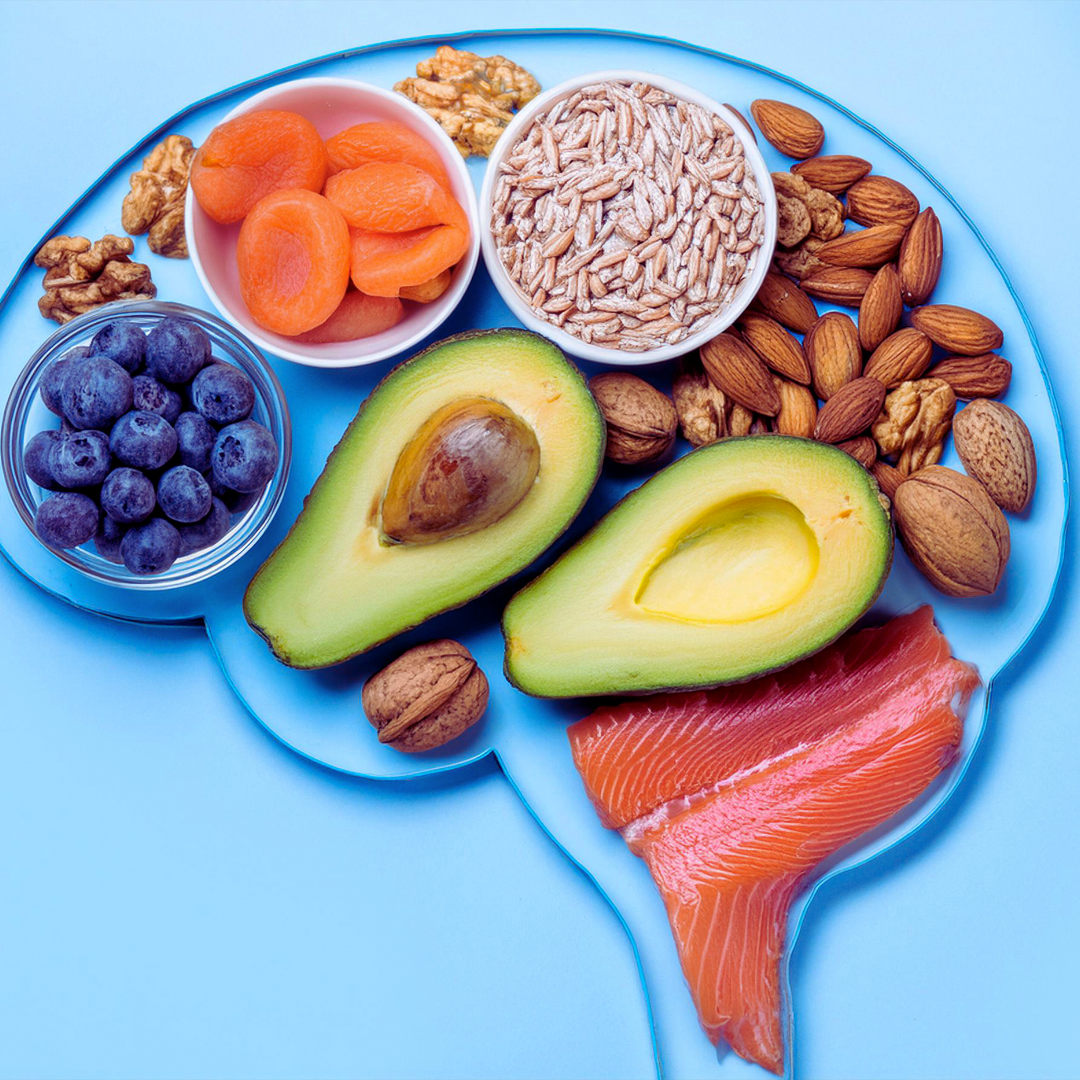
Nutrition plays a crucial role in mental health, impacting mood, cognitive function, and overall well-being. Research indicates that a balanced diet rich in nutrients can help reduce symptoms of anxiety and depression, highlighting the significant link between dietary patterns and mental health. As individuals increasingly recognise the importance of lifestyle choices, understanding how nutrition affects mental health becomes essential.
Various studies have shown that specific nutrients, such as omega-3 fatty acids, vitamins, and minerals, contribute to brain health. Diets high in processed foods and sugars tend to correlate with poorer mental health outcomes, while whole foods can support emotional stability. Exploring the connection between what we eat and how we feel is vital for fostering better mental health.
Awareness of dietary influences opens the door to practical changes in nutrition that can promote mental resilience. Adopting healthier eating habits not only benefits physical health but can also enhance mental clarity and emotional balance. The interaction between nutrition and mental health remains a rapidly evolving area of research, revealing new insights into the impact of food choices on psychological well-being.
Fundamentals of Nutrition and Mental Health
Nutrition plays a crucial role in maintaining mental health. The interplay between diet, nutrients, and psychological well-being is complex and significant. Understanding the individual components can enhance awareness of how diet influences brain function and emotional regulation.
Relationship Between Diet and Psychological Well-being
Diet significantly affects psychological well-being and can influence mood, cognition, and overall mental health. Nutrient-rich foods, such as fruits, vegetables, and whole grains, support brain function by providing essential vitamins and minerals.
In contrast, diets high in processed foods and sugars may increase the risk of mental health issues. These foods can lead to inflammation and affect neurotransmitter production, particularly serotonin. A balanced diet contributes to emotional stability and cognitive clarity.
Impact of Deficient Nutrients on Brain Function
Nutritional deficiencies can severely impact brain function and mental health. Key nutrients, such as omega-3 fatty acids, B vitamins, and magnesium, play vital roles in neurotransmitter synthesis and overall brain health.
For instance, a lack of omega-3s, primarily found in fish, can result in mood disorders and cognitive decline. Similarly, insufficient B vitamins can lead to increased anxiety and depression. Addressing these deficiencies through diet or supplementation can improve brain function and emotional resilience.
Understanding Microbiome and Mental Health
The gut microbiome significantly influences mental health through the gut-brain axis. Gut microbes produce neurotransmitters, such as serotonin, which are essential for regulating mood and mental clarity.
A diverse and healthy microbiome supports effective digestion and enhances nutrient absorption. This can improve brain function and mental well-being. Strategies to promote gut health include a diet rich in probiotics and prebiotics, which foster beneficial gut bacteria. Prioritising gut health can lead to better mental health outcomes.
Dietary Influences on Specific Mental Health Conditions
Nutrition plays a significant role in various mental health conditions, including stress, anxiety, and depression. Specific dietary patterns and nutrients have been linked to mood regulation, cognitive function, and the prevention of mental disorders.
Nutrition’s Role in Stress, Anxiety, and Depression
Dietary components can heavily influence stress, anxiety, and depression levels. Nutrients like omega-3 fatty acids are known to have anti-inflammatory properties, which may counteract symptoms of these conditions.
Tryptophan, an amino acid found in foods like turkey and nuts, is a precursor to serotonin. Increased serotonin levels can help enhance mood and reduce anxiety. Foods rich in eicosapentaenoic acid (EPA) and docosahexaenoic acid (DHA), which are types of omega-3 fats, are particularly beneficial. Research indicates that individuals with higher omega-3 intake report lower levels of depression and anxiety.
Eating Patterns and Mood Disorders
Eating patterns significantly impact mood and mental health. A balanced diet that includes a variety of fruits, vegetables, whole grains, and lean proteins has been associated with improved mental health outcomes.
For instance, irregular eating patterns and high sugar intake may exacerbate mood disorders. Moreover, individuals adhering to a regular meal schedule tend to experience more stable moods. Nutritional psychiatry suggests that the quality of one’s diet can influence neurotransmitter function and, consequently, mental well-being.
The Mediterranean Diet and Cognitive Decline Prevention
The Mediterranean diet, characterised by high consumption of plant-based foods, healthy fats, and lean proteins, is associated with cognitive health. Studies indicate that this diet may prevent mild cognitive impairment and support overall cognitive function.
The healthy fats found in olive oil and omega-3 sources promote brain health. Regular consumption of fruits and vegetables provides essential vitamins and antioxidants that protect against oxidative stress. This dietary approach correlates with a reduced risk of cognitive decline, highlighting the connection between diet and mental health.
Eating Habits for Optimal Mental Well-being
Eating habits play a crucial role in influencing mental well-being. Specific foods and nutrients can impact mood and cognitive function, while certain dietary patterns promote a healthy mind.
Role of Anti-Inflammatory Foods in Mental Health
Anti-inflammatory foods can significantly affect mental health. Diets rich in fruits and vegetables, whole grains, and healthy fats are beneficial. These foods contain antioxidants and polyphenols, which combat oxidative stress and inflammation.
Incorporating foods such as fatty fish (rich in omega-3 fatty acids), nuts, and seeds can promote brain health. Conversely, high consumption of omega-6 fatty acids, often found in processed foods, can increase inflammation. Adopting an anti-inflammatory diet may help alleviate symptoms of mood disorders and enhance overall mental well-being.
Balancing Macronutrients and Mental Equilibrium
Balancing macronutrients—carbohydrates, proteins, and fats—can influence mental equilibrium. A diet including sufficient protein provides amino acids necessary for neurotransmitter function. This can result in improved mood and cognitive performance.
Complex carbohydrates, found in whole grains, help regulate blood sugar levels, preventing mood swings. Healthy fats, particularly from sources like avocados and olive oil, support brain structure and function. A balanced diet optimises emotional health, contributing to a stable mood and better mental clarity.
Hydration and Its Psychological Impact
Hydration is essential for cognitive function and mental well-being. Even mild dehydration can lead to increased fatigue, irritability, and lower concentration levels. Maintaining adequate fluid intake ensures optimal brain function.
Water is crucial for various bodily functions, including nutrient transport and temperature regulation. To support hydration, one should consume water-rich foods such as fruits and vegetables. Monitoring hydration can enhance mood and cognitive performance, contributing to overall mental health.